Skylights vs. Standard Windows: Which Option Suits Your Home Best?
The choice between skylights and standard windows gives homeowners unique benefits and drawbacks. Skylights can greatly increase natural light, creating an airy atmosphere, yet they may need extra upkeep and energy efficiency measures. On the other hand, traditional windows offer diverse designs and better insulation. Every option carries its own benefits, making it necessary to consider multiple aspects. What factors drive the final choice? Examining the primary advantages and factors can offer insight.
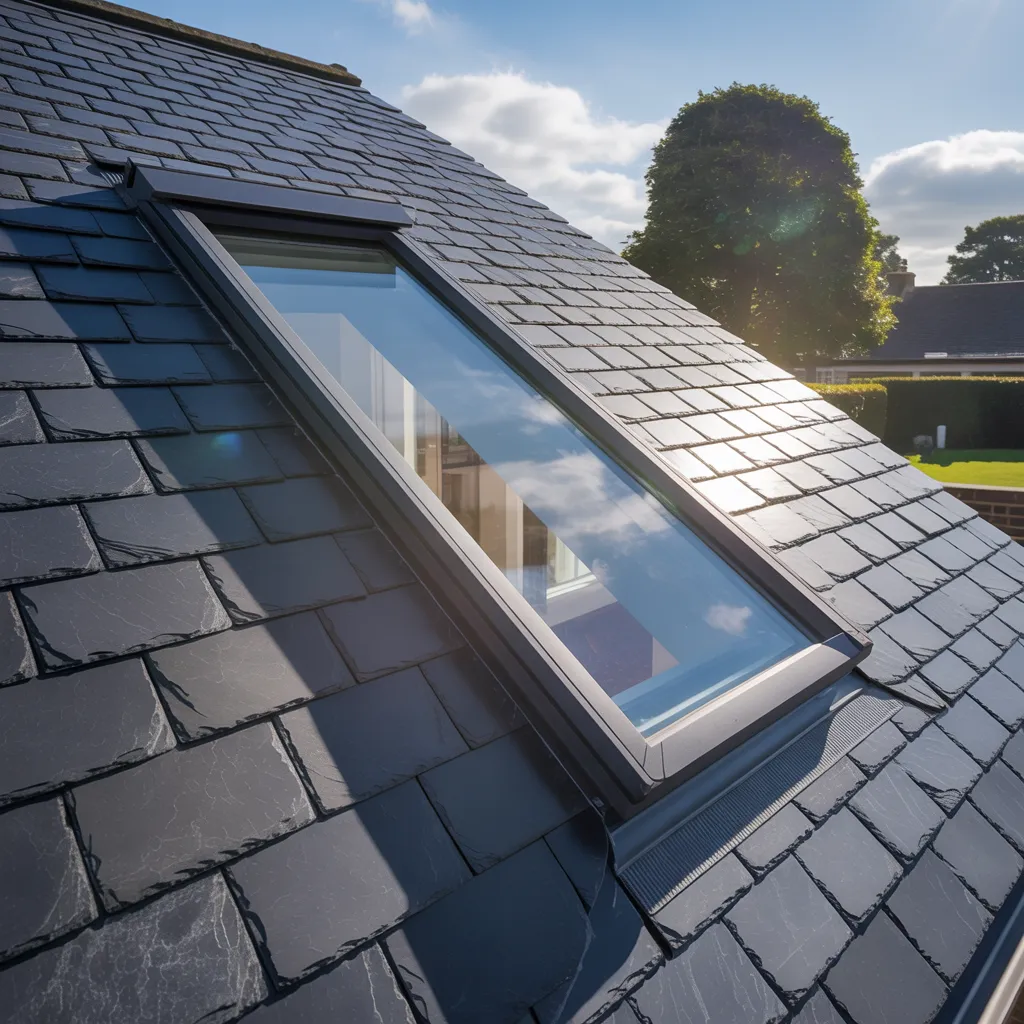
Skylights: Essential Advantages for Natural Light
While traditional windows provide natural light, skylights present exceptional qualities that elevate interior areas. These design elements permit sunlight to stream in from above, illuminating areas that might otherwise remain dim. By maximizing natural light, skylights establish a feeling of spaciousness and connection with nature. This surge of sunlight can additionally enhance emotional well-being, making spaces feel more inviting.
Furthermore, skylights are able to reduce the need for artificial lighting, leading to lower energy consumption. They work to spread light uniformly throughout a room, eliminating harsh shadows and producing a more pleasant ambiance. Several skylights also offer ventilation options, permitting fresh air to flow freely, which helps boost indoor air quality. Furthermore, their location can offer stunning views of the sky, bringing a touch of nature indoors. Ultimately, skylights function as a powerful tool in enhancing spaces, leaving them more vibrant and inviting.
Classic Windows: Sunlight and Fresh Air
Conventional windows have a significant impact on boosting natural illumination and ventilation throughout a home. They are strategically placed to capture sunlight at various times of the day, illuminating interior spaces and reducing the need for artificial lighting. The design and size of windows can greatly influence the amount of light entering a room, with larger windows typically allowing more sunlight.
Beyond illuminating spaces, conventional windows promote airflow, encouraging air circulation. Opening windows creates cross-ventilation, assisting in regulating indoor temperatures and enhancing air quality. This organic air circulation can decrease dependence on mechanical cooling systems, making homes more comfortable and potentially lowering energy costs.
Multiple designs, including double-hung or casement, present various benefits in terms of air circulation and appearance. By carefully selecting the most suitable style and placement of standard windows, residents can maximize both light and ventilation, creating a more inviting and healthier living space.
Skylights vs. Windows: Which Option Is More Energy Efficient?
The debate over the energy efficiency of skylights compared to traditional windows involves several critical factors. Natural light benefits play a significant role in decreasing dependence on artificial lighting, while insulation and heat retention capabilities influence overall energy consumption. An in-depth analysis of energy costs may help identify which option offers greater long-term savings.
The Benefits of Natural Light
Optimizing natural light in a home can considerably boost both aesthetic appeal and energy efficiency. Both skylights and conventional windows each provide special qualities in this regard. Skylights, installed overhead, can harness sunlight from above, lighting up spaces that may be difficult to reach with conventional windows. This can create a more spacious and bright feel, minimizing the reliance on artificial lighting during the day. In contrast, conventional windows deliver flexible solutions for airflow and illumination control, permitting homeowners to modify their surroundings according to their needs. Both solutions, when effectively applied, can result in a lighter and more appealing home while possibly reducing energy bills. At the end of the day, the choice between skylights and windows should consider specific lighting needs and the overall design of the home.
Heat Retention and Insulation
When assessing insulation and thermal performance, skylights and traditional windows each present unique energy efficiency features. Skylights are frequently constructed with several layers of glass and specially designed coatings, which can improve thermal insulation. However, their positioning angle and the risk of heat loss through the roof may result in greater energy demands, especially in colder climates. On the other hand, traditional windows can offer effective insulation if equipped with double or triple glazing. They are typically installed vertically, which can help minimize heat loss compared to skylights. The surrounding framing and building materials also greatly impact the overall energy efficiency. Ultimately, the choice between skylights and traditional windows for ideal insulation and heat retention depends on factors such as climate, installation quality, and specific design considerations.
Energy Pricing Comparison
While both skylights and traditional windows serve to enhance natural light, their impact on energy costs varies greatly. Skylights may contribute to greater heat buildup during hotter months, potentially leading to higher cooling costs if not properly shaded or glazed. Conversely, traditional windows, especially those with energy-efficient ratings, can offer better insulation, reducing heating and cooling expenses. The orientation and placement of both skylights and windows discussion also play critical roles in energy efficiency. Proper installation and the choice of materials further influence energy performance. Residents are encouraged to take these considerations into account when reviewing their available options, since the ongoing energy expenses tied to each option can significantly influence a home's overall efficiency and comfort. In the end, well-informed choices can result in meaningful financial savings over the long term.
Upkeep Considerations for Skylights and Windows
Although both skylights and traditional windows enhance a home's natural light, their care demands differ significantly. Traditional windows typically require regular cleaning to maintain clarity and prevent the buildup of dirt and grime. Homeowners are also advised to check seals and frames periodically for evidence of deterioration or damage, particularly in older windows that may be prone to leaks.
On the other hand, skylights require greater specialized care. Their raised placement can make cleaning more challenging, and debris can build up on their surfaces. Moreover, skylights are more vulnerable to water leaks if not installed with precision. Regular assessment of flashing and seals is essential to ensure continued performance. Homeowners should also take into account the material of the skylight, as some may need specific maintenance routines to prevent deterioration. Therefore, acknowledging the distinct maintenance needs of each option is crucial for lasting satisfaction.
Visual Charm: Transforming Spaces With Natural Light
Natural light functions as a transformative element in interior design, significantly improving the overall appeal of a space. Both skylights and standard windows serve this purpose, but they do so in distinct ways. Skylights, installed on the roof, fill interior spaces with overhead light, producing a feeling of openness and depth. This upward illumination can accentuate architectural features and make spaces feel more expansive and inviting.
By comparison, conventional windows provide defined views of the outside world, connecting interior spaces to nature and the changing seasons. Their strategic placement enables strategic light management, improving targeted sections of a space. Choosing between these alternatives often depends on the intended mood; skylights cultivate a light, open atmosphere, while windows provide a harmonious blend of light and views. Ultimately, the use of natural light, be it through skylights or windows, can profoundly influence the general ambiance and aesthetic appeal of a home.
Comparing Skylights and Windows: Essential Factors to Assess?
When considering the integration of natural light into a home, the decision between skylights and traditional windows requires consideration of several key factors. Initially, the architectural design of the home is an important consideration; skylights can complement modern designs, while traditional windows tend to suit classic aesthetics. Additionally, the placement and orientation of the space must be considered. Skylights are able to harness sunlight from above, ideal for darker rooms, while windows offer views and ventilation from the sides.
Third, energy efficiency is vital. Skylights may contribute to heat loss or gain, affecting energy costs, while windows may offer better insulation options. Moreover, upkeep demands vary; skylights tend to be more challenging to clean and might necessitate professional installation. Finally, budget considerations are essential, given that skylights usually carry higher initial investment costs. Weighing these factors helps homeowners make informed decisions tailored to their specific needs and preferences.

Frequently Asked Questions
Are Skylights Able to Be Opened for Ventilation Like Conventional Windows?
Absolutely, many skylights can be opened for airflow, just like traditional windows. These functional skylights allow fresh air to flow, boosting indoor living conditions and improving air quality, establishing them as a practical option for homeowners and residents.
How Can Skylights Influence Indoor Temperature Throughout Summer?
Skylights can greatly increase interior temperatures throughout the summer months, permitting sunlight to pass through and raise the warmth of living spaces. Without proper ventilation or shading, this buildup of heat can result in significant discomfort, necessitating additional cooling measures to maintain a comfortable environment.
Are Skylights susceptible to Leaks or Water Damage?
Skylights may be vulnerable to leaks and water damage if they lack proper installation or maintenance. Consistent inspections and premium materials are vital for minimizing risks and ensuring their longevity, thereby protecting the surrounding structures from potential moisture issues.
What Is the Lifespan of a Typical Skylight?
The average skylight has a lifespan of 15 to 30 years, subject to the type of materials and installation standards. Regular maintenance can extend its longevity, as environmental elements can impact how well it performs over time.
What Are the Differences in Installation Costs Between Skylights and Windows?
Installation costs for skylights generally exceed those of traditional windows as a result of the extra structural changes needed. However, long-term energy savings and enhanced natural light may offset these initial expenses, rendering them a valuable investment for certain homeowners.